
GW-C2 EMSella Pelvic Chair: Non-invasive pelvic floor strengthening for women
- How does an EMSella pelvic chair work to strengthen pelvic floor muscles?
- How do electromagnetic pulses stimulate deep pelvic muscles?
- What treatment protocol delivers the best results?
- Why is an ergonomic chair design important for effectiveness?
- How to identify patients who will benefit from the GW-C2 pelvic floor chair?
- What symptoms indicate pelvic floor weakness suited for EMSella therapy?
- How to combine GW-C2 therapy with conservative treatments?
- What contraindications should clinicians screen for before treatment?
- How to choose and integrate a GW-C2 EMSella chair into your clinic practice?
- How to evaluate device performance and safety certifications?
- How to set up treatment workflows and patient pathways?
- How to market pelvic floor services while meeting regulatory guidance?
- What evidence and best practices support non-invasive pelvic floor electromagnetic therapy?
- What does clinical research say about efficacy?
- How to measure and document treatment outcomes?
- Why combine patient education and maintenance protocols?
- Frequently Asked Questions

The GW-C2 EMSella pelvic chair (also known as a pelvic floor muscle chair) is a non-invasive treatment device designed to stimulate and strengthen pelvic floor muscles using high-intensity electromagnetic pulses. Engineered for clinics and medical spas, the GW-C2 targets urinary incontinence, pelvic laxity and postpartum recovery with ergonomic seating, programmable protocols and clinical-grade safety standards. For product details and specifications, see the GW-C2 EMSella pelvic chair product page: GW-C2 EMSella pelvic chair by Goodway.
How does an EMSella pelvic chair work to strengthen pelvic floor muscles?
How do electromagnetic pulses stimulate deep pelvic muscles?
The GW-C2 uses focused high-intensity electromagnetic stimulation to induce supramaximal pelvic muscle contractions that are stronger than voluntary contractions. These repeated contractions recruit both slow- and fast-twitch fibers, improving muscle tone and neuromuscular control without the need for internal probes, which benefits patient comfort and compliance.
What treatment protocol delivers the best results?
Typical clinical protocols recommend 6–8 sessions of 20–30 minutes over 2–4 weeks for measurable improvement. The GW-C2’s programmable settings let clinicians adjust intensity, frequency and pulse patterns to match patient tolerance and therapy goals, ensuring reproducible outcomes in urinary symptom reduction and pelvic support.
Why is an ergonomic chair design important for effectiveness?
Ergonomic seating optimizes pelvic alignment so electromagnetic fields target the pelvic floor uniformly. The GW-C2’s contoured seat ensures consistent tissue coupling and patient comfort, reducing motion artifacts and maximizing effective energy delivery to pelvic muscles during each session.
How to identify patients who will benefit from the GW-C2 pelvic floor chair?
What symptoms indicate pelvic floor weakness suited for EMSella therapy?
Patients with stress or mixed urinary incontinence, postpartum pelvic laxity, mild pelvic organ descent symptoms, or diminished sexual satisfaction often benefit. A standardized assessment including symptom scores and pelvic muscle palpation helps select appropriate candidates and set realistic expectations.
How to combine GW-C2 therapy with conservative treatments?
Pairing GW-C2 sessions with supervised pelvic floor muscle training (PFMT) and behavioral strategies amplifies outcomes. Evidence-based rehabilitation protocols recommend integrating device-assisted treatments with home exercises to reinforce voluntary control and prolong therapeutic effects.
What contraindications should clinicians screen for before treatment?
Contraindications include pregnancy, implanted electronic devices (e.g., pacemakers), active pelvic infections, and recent pelvic surgery until healed. Proper screening and informed consent are essential to comply with safety standards and protect patient wellbeing.
How to choose and integrate a GW-C2 EMSella chair into your clinic practice?
How to evaluate device performance and safety certifications?
Choose devices manufactured under quality systems like ISO 13485 and backed by clinical evidence. Goodway operates a robust R&D and quality framework; clinicians should verify device documentation, electrical safety testing and available clinical studies before purchase. See ISO medical device quality management reference: ISO 13485:2016.
How to set up treatment workflows and patient pathways?
Design workflows with pre-treatment assessment, clear contraindication checks, templated consent forms and post-treatment follow-up at 6–12 weeks. Document baseline symptom scores and schedule maintenance or booster sessions as clinically indicated to sustain benefits.
How to market pelvic floor services while meeting regulatory guidance?
Market patient-centered outcomes like improved bladder control and quality of life, not unverified cure claims. Reference reputable resources such as the FDA’s medical device guidance for compliance and transparent communication: FDA device regulatory guidance.
What evidence and best practices support non-invasive pelvic floor electromagnetic therapy?
What does clinical research say about efficacy?
Systematic reviews and randomized trials report significant improvements in incontinence episodes and pelvic floor strength with device-assisted electromagnetic therapy versus baseline. Clinicians should appraise peer-reviewed literature and combine device therapy with PFMT for maximal benefit. General pelvic floor anatomy and function are summarized on Wikipedia: Pelvic floor (Wikipedia).
How to measure and document treatment outcomes?
Use validated tools such as the International Consultation on Incontinence Questionnaire (ICIQ) and pad tests to quantify changes. Objective strength measures (e.g., digital vaginal palpation scales or perineometry) at baseline and 6–12 weeks post-treatment provide evidence of efficacy for clinical records.
Why combine patient education and maintenance protocols?
Education on pelvic anatomy, lifestyle modifications and at-home exercises prolongs gains from GW-C2 sessions. Offering a maintenance plan—often a booster session every 3–6 months—helps sustain muscle tone and patient satisfaction.
Goodway is a leading manufacturer with over 15 years in beauty instruments and OEM experience across a 42,000 m² facility, dedicated to R&D and strict quality control. Clinics choosing the GW-C2 gain access to clinical-grade engineering, ergonomic design and comprehensive service options from an experienced supplier.
Frequently Asked Questions
What is the typical session length for GW-C2 treatments?
A standard session lasts 20–30 minutes. Most protocols recommend 6–8 sessions over 2–4 weeks to observe measurable improvement.
How quickly will patients notice improvement in urinary symptoms?
Many patients report initial symptom relief after 2–4 sessions, with more consistent improvements by 6–8 weeks. Results depend on baseline severity and adherence to combined therapies.
Can EMSella therapy be used after childbirth?
Yes, when the postpartum period is clinically cleared (commonly >6 weeks). Clinician evaluation is required to confirm wound healing and absence of complications before initiating treatment.
How often are maintenance sessions recommended after initial treatment?
Maintenance is often individualized; many clinics recommend booster sessions every 3–6 months. Objective follow-up assessments guide timing based on sustained muscle strength and symptom control.
Is EM stimulation safe for patients with implants?
No, patients with active implanted electronic devices like pacemakers are contraindicated. Always screen for implants and consult device manuals and safety documentation before treatment.
How does GW-C2 compare to traditional pelvic floor therapy devices?
GW-C2 delivers hands-free supramaximal contractions non-invasively (no internal probe), often accelerating muscle recruitment versus voluntary training alone. Combining GW-C2 with clinician-led PFMT typically yields stronger, faster functional improvements.
For detailed clinical specs, purchasing, or training, contact Goodway’s sales and technical team to schedule a demo or request full documentation.
Additional authoritative resources: NHS guidance on pelvic floor exercises (NHS pelvic floor guidance), and FDA device regulatory assistance (FDA device guidance).
Top rf cavitation machine Manufacturers and Suppliers
Top ems body sculpting machine Manufacturers and Suppliers
Top 10 rf ablation machine Manufacturers and Supplier Brands
Top 10 9d hifu machine Manufacturers and Supplier Brands
Treatment
How long does each session take?
A typical acne removal session lasts between 20 to 30 minutes, depending on the size of the treatment area. You can often fit a session into your lunch break.
Will there be any downtime after the treatment?
One of the benefits of laser acne removal is that it requires little to no downtime. You may experience some mild redness or swelling immediately after the procedure, but this usually subsides within a few hours. Most patients can return to their regular activities right away.
Are the results permanent?
Laser acne treatments can provide long-lasting results, but acne may reoccur due to factors such as hormonal changes, diet, or stress. Maintenance treatments may be recommended to keep your skin clear and acne-free.
Customization
What is the delivery time for customized equipment?
The delivery time typically depends on the complexity of the project and the order quantity. Generally, it takes 6 to 12 weeks from design confirmation to product delivery. The exact timeline will be negotiated with the client upon order confirmation.
Are the products subjected to quality testing?
All products undergo rigorous quality testing before leaving the factory, including durability, safety, and performance tests. We also provide international certifications such as CE, FDA, and ISO to ensure products meet global market standards.
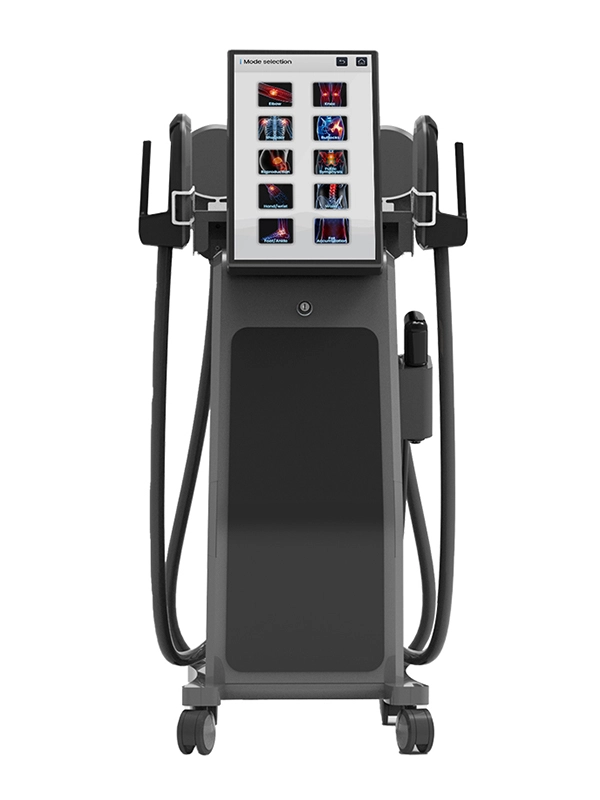
2 in 1 EMS Body sculpt machine cellulite treatment shockwave therapy EMS therapy device EMS machine for muscle stimulation
Goodway's 2-in-1 EMS Body Sculpt Machine utilizes shockwave therapy and EMS technology for effective cellulite reduction and muscle stimulation. This innovative device offers a combined approach to body sculpting, targeting both fat and muscle tone. Experience noticeable improvements with Goodway's advanced shockwave therapy machine.
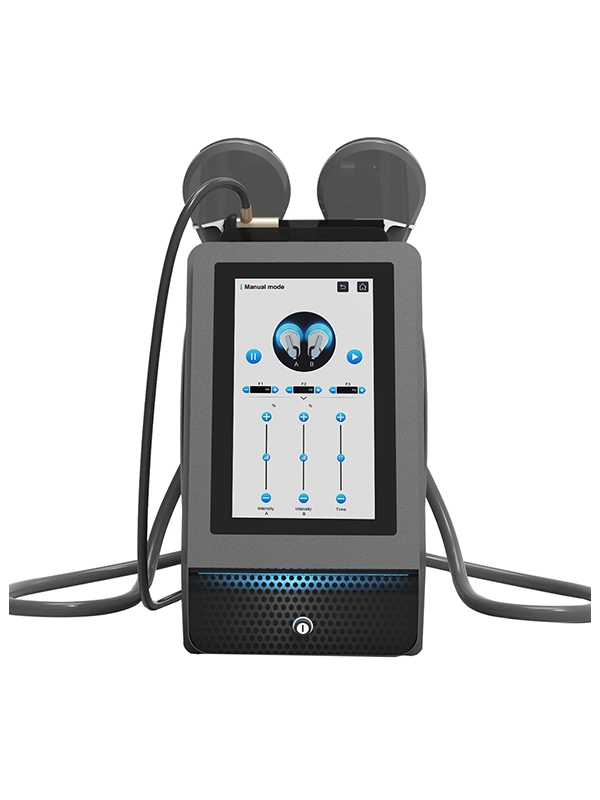
GW-EMShock 5: 2-in-1 EMS Body Sculpting & Shockwave Therapy System
Goodway's Shockwave + EMS Beauty Device is an advanced dual-therapy system combining shockwave technology for deep-tissue healing—reducing inflammation, relieving arthritis pain, and accelerating recovery—with EMS electrostimulation to strengthen muscles without strain. This non-invasive, drug-free solution enhances mobility and rehabilitation, perfect for both clinical and home use.

K3 Cavitation machine Achieve Effortless Fat Loss with Our Advanced massage machine
Experience the transformative power of the Goodway's K3 Cavitation Machine. This advanced massage machine targets stubborn fat effortlessly, doubling as an effective cellulite massager. Achieve your desired body contour with ease. Discover unparalleled fat loss results today.
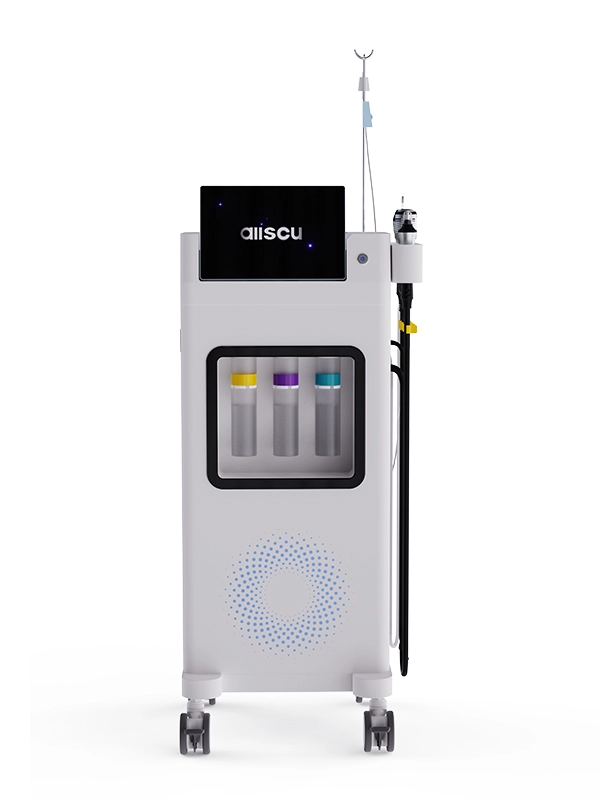
Professional Facial Spa Equipment Aqua Peel Facial Machine for Deep Cleansing and Hydration
Goodway's K8 Hydrafacial Machine is an all-in-one skin rejuvenation system that combines high-pressure deep cleansing, ice hammer pore tightening, plasma acne treatment, diamond microdermabrasion, and ultrasonic pore purification to remove impurities, reduce inflammation, and promote cell renewal—leaving skin smoother, brighter, and healthier.
 Scan QR Code
Instagram