
What Certifications Should EMS Body Sculpting Machines Have?
- My clinic is considering an EMS body sculpting machine, but I'm worried about client discomfort and potential skin irritation with the electrode pads. Are there specific technologies or features to look for that mitigate these issues for a better client experience and consistent muscle stimulation?
- Beyond the basic CE/FDA, what *specific* advanced certifications or clinical validation reports should I scrutinize when evaluating an EMS body sculpting machine to ensure its efficacy and safety for professional use, especially concerning muscle hypertrophy claims and long-term results?
- We're a new med-spa, and the initial investment for an EMS body contouring device is significant. What are the key hidden operational costs (e.g., consumables, maintenance, software updates, specialized training) that often get overlooked, and how can I accurately project ROI for an EMS body sculpting service?
- Many clients ask about the difference between EMS body sculpting and HIFEM (High-Intensity Focused Electromagnetic) technology. As a practitioner, how can I clearly articulate the unique mechanisms of action, target areas, and expected results of EMS versus HIFEM to manage client expectations effectively?
- I'm concerned about the long-term safety and potential contraindications of repeated EMS body sculpting treatments, especially for clients with underlying health conditions not immediately apparent. What are the critical pre-screening protocols and red flags practitioners *must* be aware of beyond standard consent forms?
- With so many EMS body sculpting machines on the market, how do I differentiate between devices claiming 'medical-grade' and those that are merely 'professional-grade' in terms of power output, waveform stability, and applicator design, especially when comparing specifications from various manufacturers, including those from China?
- What are the typical treatment protocols for an EMS body sculpting machine, and how do I customize them for different client goals (e.g., muscle gain vs. fat loss vs. toning)?
- What are the advantages of investing in a high-quality EMS Body Sculpting Machine for a professional aesthetic practice?
Navigating the EMS Body Sculpting Machine Market: In-Depth Answers for Professional Buyers
As a professional content writer with extensive experience in the beauty machine field, specializing in SEO and , I understand the complexities and critical decisions involved in acquiring new aesthetic technology. The market for EMS (Electrical Muscle Stimulation) body sculpting machines is rapidly expanding, promising significant growth for clinics and med-spas. However, beginners often face a maze of specifications, certifications, and operational considerations that lack clear, in-depth answers online. This guide aims to demystify these crucial aspects, providing the expert knowledge you need to make a confident and informed purchase.
My clinic is considering an EMS body sculpting machine, but I'm worried about client discomfort and potential skin irritation with the electrode pads. Are there specific technologies or features to look for that mitigate these issues for a better client experience and consistent muscle stimulation?
Client comfort and consistent efficacy are paramount for repeat business and positive reviews in non-invasive body contouring. While EMS technology inherently involves muscle contractions, advanced EMS body sculpting machines incorporate several features to enhance comfort and minimize skin irritation. Look for devices that utilize:
- Hydrogel or Self-Adhesive Electrodes with Superior Conductivity: High-quality hydrogel electrodes distribute the electrical current more evenly across the skin, reducing 'hot spots' and localized discomfort. They also ensure better adhesion, preventing slippage that can lead to inconsistent stimulation or skin chafing. Always inquire about the electrode material and recommended lifespan.
- Multi-Frequency Waveforms and Modulated Pulses: Instead of a single, static frequency, advanced EMS devices often employ a range of frequencies and pulse modulation. This allows for deeper muscle penetration, more natural-feeling contractions, and the ability to target different muscle fiber types (slow-twitch for endurance, fast-twitch for power and hypertrophy). Modulated pulses can also prevent muscle accommodation, ensuring consistent stimulation throughout the session and reducing the sensation of 'stinging' or 'prickling'.
- Adjustable Intensity and Ramp-Up/Ramp-Down Functions: A professional-grade EMS device will offer precise control over intensity levels, allowing practitioners to gradually increase or decrease the stimulation. This 'ramp-up' and 'ramp-down' feature is crucial for acclimatizing clients to the sensation and preventing sudden, jarring contractions, significantly improving the overall experience.
- Large, Ergonomic Applicator Design: Larger applicators distribute the current over a wider area, further reducing localized intensity. Ergonomic designs that conform to various body parts (abdomen, glutes, thighs, arms) ensure optimal contact and consistent energy delivery without requiring excessive pressure, which can cause discomfort.
- Integrated Skin Temperature Monitoring: While less common, some high-end devices may include sensors to monitor skin temperature, providing an additional layer of safety against potential thermal discomfort or irritation, especially during longer sessions.
Prioritizing these features ensures a more comfortable, effective, and ly, a more successful EMS body contouring treatment for your clients.
Beyond the basic CE/FDA, what *specific* advanced certifications or clinical validation reports should I scrutinize when evaluating an EMS body sculpting machine to ensure its efficacy and safety for professional use, especially concerning muscle hypertrophy claims and long-term results?
While CE (Conformité Européenne) marking for the European Economic Area and FDA (Food and Drug Administration) clearance/approval for the United States are foundational, professional buyers of EMS body sculpting machines must look deeper to validate efficacy and safety, particularly for claims of muscle hypertrophy (muscle growth) and fat reduction. Here's what to scrutinize:
- ISO 13485 Certification: This is a crucial international standard for medical device quality management systems. A manufacturer holding ISO 13485 demonstrates a commitment to quality and regulatory compliance throughout the design, development, production, and servicing of their medical devices. This goes beyond product safety to encompass the entire manufacturing process.
- Clinical Studies and Peer-Reviewed Publications: The most robust evidence comes from independent, peer-reviewed clinical studies. Look for studies specifically validating the device's ability to induce muscle hypertrophy, increase muscle density, and/or reduce subcutaneous fat. These studies should detail methodology, patient demographics, treatment protocols, and statistically significant results. Vague 'clinical data' presented by manufacturers without external validation should be viewed with skepticism.
- Specific FDA Clearances (e.g., K19XXXX for Muscle Toning/Strengthening): For the US market, an FDA 510(k) clearance specifically for muscle toning, strengthening, and firming is essential. Some advanced devices may even have clearances for specific anatomical areas or for non-invasive fat reduction alongside muscle stimulation. Always verify the exact clearance code and its scope.
- Medical Device Classifications: Understand the device's classification. In Europe, EMS devices can range from Class IIa to IIb, depending on their intended use and risk profile. Higher classifications often imply more rigorous testing and regulatory oversight, especially for devices making therapeutic claims or targeting deeper tissues.
- Electromagnetic Compatibility (EMC) Testing: This ensures the device does not interfere with other electronic equipment and is not unduly affected by external electromagnetic fields. Compliance with standards like IEC 60601-1-2 is critical for safety in a clinical environment.
- Biocompatibility Testing (ISO 10993): For components that come into direct contact with the skin (e.g., electrodes, applicators), evidence of biocompatibility testing according to ISO 10993 standards ensures that these materials are not cytotoxic, irritating, or sensitizing to human tissue.
Demanding this level of detail in certifications and clinical evidence is essential for protecting your clients, your reputation, and ensuring the long-term success of your body contouring services.
We're a new med-spa, and the initial investment for an EMS body contouring device is significant. What are the key hidden operational costs (e.g., consumables, maintenance, software updates, specialized training) that often get overlooked, and how can I accurately project ROI for an EMS body sculpting service?
Understanding the total cost of ownership (TCO) for an EMS body sculpting machine is crucial for accurate ROI projections. Beyond the initial purchase price, several hidden operational costs can significantly impact profitability:
- Consumables: This is often the largest recurring cost. It includes electrode pads (which have a limited lifespan and must be replaced regularly), conductive gels, and potentially disposable hygienic covers. Get clear pricing on these items and their estimated usage per treatment. Factor in storage and inventory management.
- Maintenance and Service Contracts: Like any sophisticated equipment, EMS machines require periodic maintenance. Inquire about recommended service intervals, the cost of preventative maintenance, and the availability and cost of extended warranty or service contracts. Downtime due to unexpected repairs can be costly in lost revenue.
- Software Updates and Upgrades: Technology evolves. Ask if software updates (e.g., new treatment protocols, enhanced user interface) are free or come with a subscription fee. Future hardware upgrades might also be necessary to keep pace with advancements.
- Specialized Training and Certification: While initial training is often included, ongoing education for new staff or advanced techniques may incur additional costs. Ensure your team is properly trained not just on operation, but also on client consultation, contraindications, and emergency protocols.
- Marketing and Promotion: Successfully launching an EMS body contouring service requires investment in marketing. This includes website updates, social media campaigns, in-clinic promotions, and potentially professional photography or video production.
- Insurance: Ensure your professional liability insurance covers the use of this specific device and treatment type.
- Facility Costs: While not strictly 'hidden,' remember to factor in the allocated space, utilities, and staff time dedicated to the treatment.
Projecting ROI:
- Calculate Total Initial Investment: Machine cost + initial training + initial consumables + shipping/installation.
- Estimate Revenue per Treatment: Determine your pricing strategy (per session, package deals). Research competitor pricing.
- Estimate Monthly Operating Costs: Consumables per treatment x estimated monthly treatments + maintenance fees + marketing budget + staff wages per treatment.
- Calculate Break-Even Point: Total Initial Investment / (Revenue per Treatment - Consumables Cost per Treatment).
- Project Profitability: Once you've covered the initial investment, calculate monthly net profit: (Estimated Monthly Treatments x Revenue per Treatment) - Monthly Operating Costs.
By meticulously accounting for these factors, you can create a realistic and robust financial model for your EMS body sculpting service.
Many clients ask about the difference between EMS body sculpting and HIFEM (High-Intensity Focused Electromagnetic) technology. As a practitioner, how can I clearly articulate the unique mechanisms of action, target areas, and expected results of EMS versus HIFEM to manage client expectations effectively?
While both EMS and HIFEM are non-invasive technologies designed for muscle stimulation and body contouring, their mechanisms of action and optimal applications differ significantly. Clear articulation is key to managing client expectations for muscle toning and fat reduction.
EMS (Electrical Muscle Stimulation):
- Mechanism of Action: EMS devices deliver electrical impulses directly to the motor nerves via electrodes placed on the skin. These impulses cause the muscles to contract involuntarily. The intensity and frequency of these contractions can be controlled to simulate various types of exercise, from endurance training to strength training.
- Target Areas: Highly versatile. Can target specific, smaller muscle groups with precision (e.g., biceps, triceps, calves, pelvic floor muscles, specific abdominal sections) as well as larger areas. Electrode placement is crucial for targeted activation.
- Contraction Intensity: Typically induces contractions that are stronger than voluntary exercise but generally less intense than HIFEM's supramaximal contractions.
- Results: Primarily focuses on muscle strengthening, toning, and firming. Can improve muscle definition and endurance. Some devices may also incorporate fat reduction features through localized heating or increased metabolic activity, but muscle building is the primary effect.
- Sensation: Clients feel a tingling sensation followed by rhythmic muscle contractions.
HIFEM (High-Intensity Focused Electromagnetic):
- Mechanism of Action: HIFEM technology uses a powerful electromagnetic field that penetrates through the skin and fat to induce supramaximal muscle contractions. These contractions are far more intense and rapid than what can be achieved through voluntary exercise, forcing the muscle tissue to adapt by undergoing remodeling, leading to hypertrophy (muscle growth) and hyperplasia (increase in muscle fibers). The intense contractions also trigger lipolysis (fat cell breakdown) in the surrounding adipose tissue.
- Target Areas: Primarily effective for larger, denser muscle groups like the abdomen and glutes. Applicators are typically larger and designed for these areas.
- Contraction Intensity: Induces supramaximal contractions (up to 20,000-30,000 contractions in a 30-minute session) that are impossible to achieve voluntarily. This intensity is key to its muscle-building and fat-reducing effects.
- Results: Clinically proven to build muscle mass (typically 16-25% increase) and reduce fat (typically 19-30% reduction) simultaneously. Leads to significant improvements in muscle tone, strength, and body contour.
- Sensation: Clients feel intense muscle contractions, often described as a vigorous workout, but without the effort.
Key Differentiators for Clients:
- Intensity & Depth: HIFEM offers deeper, more intense, supramaximal contractions, leading to more pronounced muscle growth and simultaneous fat reduction.
- Targeting: EMS offers more precise targeting for smaller muscles; HIFEM excels at larger, denser muscle groups.
- Dual Action: HIFEM is renowned for its dual action (muscle building + fat reduction) in a single treatment, whereas EMS primarily focuses on muscle toning, with fat reduction being a secondary or less pronounced effect depending on the specific device.
By explaining these distinctions, you empower clients to choose the technology best suited for their specific body contouring goals.
I'm concerned about the long-term safety and potential contraindications of repeated EMS body sculpting treatments, especially for clients with underlying health conditions not immediately apparent. What are the critical pre-screening protocols and red flags practitioners *must* be aware of beyond standard consent forms?
Ensuring client safety with EMS body sculpting machines is paramount, extending beyond basic consent forms to rigorous pre-screening. While EMS is generally safe for healthy individuals, practitioners must be vigilant for contraindications and underlying health conditions. Here are critical pre-screening protocols and red flags:
Mandatory Contraindications (Absolute Red Flags):
- Pacemakers, Defibrillators, or other Implanted Electronic Devices: Electrical currents can interfere with these devices, posing a serious health risk.
- Metal Implants in the Treatment Area: This includes joint replacements, surgical pins, screws, or plates. The electrical current can heat the metal, causing burns.
- Pregnancy: The effects of EMS on a fetus are unknown and therefore contraindicated.
- Epilepsy or Seizure Disorders: Electrical stimulation can trigger seizures.
- Active Cancer or Tumors: EMS could potentially stimulate growth or spread.
- Severe Heart Conditions or Arrhythmias: Electrical stimulation could exacerbate these conditions.
- Recent Surgery in the Treatment Area: Healing tissues are delicate, and stimulation could impede recovery or cause complications.
- Hernia in the Treatment Area: EMS can worsen a hernia.
- Acute Injuries or Inflammation in the Treatment Area: This includes muscle tears, sprains, or infections.
- Blood Clotting Disorders or Anticoagulant Medication Use: Increased risk of bruising or bleeding.
Relative Contraindications (Require Caution and Physician Consultation):
- Diabetes: Especially if uncontrolled, affecting nerve sensitivity or circulation.
- Neurological Disorders: Conditions like multiple sclerosis or neuropathy may alter sensation or muscle response.
- Skin Conditions or Open Wounds in the Treatment Area: Psoriasis, eczema, severe acne, or cuts could be irritated or exacerbated.
- Recent Aesthetic Procedures: (e.g., Botox, fillers, liposuction) in the treatment area. Allow adequate healing time.
- Thyroid Disorders: Especially if uncontrolled.
- Active Autoimmune Diseases: Depending on the specific condition and its stability.
Critical Pre-Screening Protocols:
- Comprehensive Medical History Form: Beyond standard questions, include specific inquiries about all the contraindications listed above. Ask about medications, past surgeries, chronic conditions, and any implanted devices.
- Detailed Verbal Consultation: Do not rely solely on written forms. Engage in a thorough conversation with the client to clarify any ambiguous answers, probe deeper into health concerns, and ensure they fully understand the treatment and its risks.
- Visual Inspection of the Treatment Area: Before every session, visually inspect the skin for any cuts, rashes, moles, or suspicious lesions that might be irritated by the electrodes.
- Test Patch (Optional but Recommended for Sensitive Skin): For clients with known skin sensitivities, a brief test application of the electrodes at a low intensity can help identify adverse reactions.
- Physician Clearance: For any client presenting with a relative contraindication or complex medical history, always require written clearance from their primary physician or specialist before proceeding with treatment.
- Educate the Client: Ensure clients understand what sensations to expect and instruct them to immediately report any unusual discomfort, pain, or adverse reactions during the session.
Adhering to these strict protocols protects both the client and your practice, upholding the highest standards of safety in non-invasive body contouring.
With so many EMS body sculpting machines on the market, how do I differentiate between devices claiming 'medical-grade' and those that are merely 'professional-grade' in terms of power output, waveform stability, and applicator design, especially when comparing specifications from various manufacturers, including those from China?
Differentiating between 'medical-grade' and 'professional-grade' EMS body sculpting machines is crucial for ensuring efficacy, safety, and long-term reliability, especially when navigating a diverse global market. The terms are often used loosely, but true medical-grade devices adhere to stricter standards.
Key Differentiators:
Regulatory Clearances and Certifications:
- Medical-Grade: Will possess specific medical device clearances from regulatory bodies like the FDA (e.g., Class II medical device 510(k) clearance for muscle toning/strengthening), CE Medical Device Directive (e.g., Class IIa or IIb), Health Canada, TGA (Australia), or KFDA (South Korea). These are not just general electrical safety certifications but specific approvals for medical use with validated claims.
- Professional-Grade: May only have general electrical safety certifications (e.g., CE-LVD, RoHS) or general aesthetic device clearances, without specific medical device classification or clinical validation for therapeutic claims.
Power Output and Intensity Range:
- Medical-Grade: Typically offers a wider and higher range of adjustable power output (e.g., in milliampere, Hz, or Tesla for HIFEM-EMS hybrids). This allows for deeper muscle penetration and more intense contractions necessary for significant muscle hypertrophy and fat reduction. The output will be consistent and precisely calibrated.
- Professional-Grade: May have lower peak power outputs or a more limited intensity range, potentially resulting in less profound or slower results. The consistency of output might also vary.
Waveform Stability and Purity:
- Medical-Grade: Employs sophisticated circuitry to generate highly stable, pure, and reproducible waveforms (e.g., biphasic, monophasic, specific pulse durations). This consistency is critical for safe and effective muscle stimulation, preventing nerve irritation or 'spikes' in current. Manufacturers will often provide detailed waveform specifications.
- Professional-Grade: May use simpler circuitry, leading to less stable or 'noisy' waveforms. This can result in inconsistent muscle contractions, reduced efficacy, and potentially increased client discomfort or safety concerns.
Applicator Design and Durability:
- Medical-Grade: Applicators are engineered for durability, optimal energy delivery, and patient comfort. They often feature robust materials, advanced cooling systems (if applicable), and precise electrode placement for targeted stimulation. They are designed for repeated, high-intensity use in a professional setting.
- Professional-Grade: Applicators might be less robust, have simpler electrode designs, or be made with materials that degrade faster with frequent use, potentially leading to increased consumable costs or reduced efficacy over time.
Clinical Validation and Research:
- Medical-Grade: Backed by rigorous, independent clinical studies and peer-reviewed publications demonstrating efficacy and safety for specific claims (e.g., muscle mass increase, fat reduction). These studies are often conducted by reputable institutions.
- Professional-Grade: May rely on anecdotal evidence, internal studies, or simply extrapolate data from other devices, lacking the same level of scientific scrutiny.
Manufacturer Reputation and Support:
- Medical-Grade: Reputable manufacturers with a long history in medical aesthetics typically provide comprehensive training, robust warranties, readily available spare parts, and responsive technical support. This is particularly important when dealing with international suppliers, including those from China, where verifying after-sales support can be challenging.
- Professional-Grade: Support, warranty, and parts availability can be inconsistent, especially from less established or smaller manufacturers.
When evaluating manufacturers, especially from China, always request detailed technical specifications, copies of all relevant medical device certifications (not just general safety), and inquire about their quality management systems (e.g., ISO 13485). Don't hesitate to ask for references from other professional users. A truly 'medical-grade' EMS body sculpting machine represents a significant investment, but it offers superior performance, safety, and long-term reliability for your practice.
What are the typical treatment protocols for an EMS body sculpting machine, and how do I customize them for different client goals (e.g., muscle gain vs. fat loss vs. toning)?
Effective treatment protocols are key to maximizing results with an EMS body sculpting machine and tailoring outcomes to diverse client goals. While specific protocols vary by device and manufacturer, here's a general framework and customization approach:
Typical Treatment Protocols:
- Session Frequency: Most protocols recommend 2-3 sessions per week for the initial intensive phase. This allows for adequate muscle recovery while maintaining consistent stimulation.
- Total Sessions in a Course: A typical initial course consists of 4-8 sessions. Some advanced devices or specific client goals may extend to 10-12 sessions.
- Session Duration: Each session usually lasts 20-30 minutes per treated area. This duration is generally sufficient to induce significant muscle contractions and metabolic activity without over-fatiguing the muscle.
- Maintenance: After the initial course, maintenance sessions are often recommended every 2-4 weeks to sustain results, similar to how one would maintain a fitness regimen.
- Intensity Progression: Treatment should always start at a comfortable intensity level for the client and gradually increase over subsequent sessions as the client's tolerance and muscle strength improve. The goal is to reach the highest intensity tolerated without causing pain.
Customizing Protocols for Client Goals:
Goal 1: Primary Muscle Gain (Hypertrophy) & Strength:
- Frequency: 2-3 times per week.
- Intensity: Focus on reaching and sustaining higher intensity levels during each session. The more intense the contraction, the greater the muscle fiber recruitment and potential for hypertrophy.
- Waveform/Program: Utilize programs designed for strength training or muscle building, which typically involve higher frequencies (e.g., 50-100 Hz) and longer pulse durations to recruit fast-twitch muscle fibers.
- Duration: 20-30 minutes per area.
- Diet & Exercise: Emphasize adequate protein intake and a balanced diet. Encourage continued voluntary exercise to complement EMS results.
Goal 2: Fat Loss (Alongside Muscle Toning):
- Frequency: 2-3 times per week.
- Intensity: High intensity is still beneficial as intense muscle contractions boost metabolism and can trigger lipolysis in adjacent fat cells. Some devices may have specific programs that alternate between muscle contraction and fat-burning frequencies.
- Waveform/Program: Look for programs that combine muscle stimulation with a focus on metabolic activation or fat reduction. These might incorporate varied frequencies or specific pulse patterns.
- Duration: 20-30 minutes per area.
- Diet & Exercise: Crucially, pair EMS treatments with a calorie-controlled diet and regular cardiovascular exercise for optimal fat loss results. EMS is a tool, not a magic bullet for fat reduction without lifestyle changes.
Goal 3: Muscle Toning & Definition (without significant bulk):
- Frequency: 1-2 times per week initially, then maintenance as needed.
- Intensity: Moderate to high intensity, focusing on sustained contractions rather than maximal output. The aim is to improve muscle firmness and definition.
- Waveform/Program: Programs that mimic endurance training or focus on muscle shaping, often using slightly lower frequencies (e.g., 30-60 Hz) and varied contraction/relaxation cycles.
- Duration: 20-30 minutes per area.
- Diet & Exercise: A balanced diet and regular activity will enhance definition. This goal is often sought by individuals already at or near their ideal weight.
Important Considerations:
- Client Assessment: Always conduct a thorough assessment of the client's current fitness level, body composition, and specific goals before recommending a protocol.
- Listen to the Client: Adjust intensity based on client feedback. Discomfort should never be pain.
- Progress Tracking: Document progress with measurements, photos, and client testimonials to demonstrate results and adjust protocols as needed.
By understanding these principles, you can effectively utilize your EMS body sculpting machine to deliver customized, results-driven treatments, enhancing client satisfaction and your clinic's reputation for non-invasive body contouring excellence.
What are the advantages of investing in a high-quality EMS Body Sculpting Machine for a professional aesthetic practice?
Investing in a high-quality EMS body sculpting machine offers numerous advantages that can significantly elevate a professional aesthetic practice. These devices are more than just equipment; they are strategic assets that drive client satisfaction, clinic profitability, and market differentiation.
Firstly, enhanced client results and satisfaction are paramount. High Quality EMS machines, with their stable waveforms, precise power output, and advanced programming, deliver consistent, effective muscle stimulation. This leads to more noticeable muscle toning, strengthening, and often, complementary fat reduction, translating into happier clients who are more likely to return for maintenance and refer new business. The comfort features of high-end devices also contribute to a superior client experience.
Secondly, improved safety and regulatory compliance are inherent to medical-grade EMS devices. Adherence to stringent certifications like ISO 13485, specific FDA clearances, and robust EMC testing minimizes risks for both clients and practitioners. This not only protects your practice from potential liabilities but also builds a reputation for trustworthiness and professionalism, which is invaluable in the aesthetic industry.
Thirdly, operational efficiency and long-term reliability are significant benefits. High-quality machines are built with durable components and sophisticated engineering, leading to fewer breakdowns, lower maintenance costs, and consistent performance. This reduces downtime, ensuring that your machine is always available to generate revenue. Furthermore, reputable manufacturers provide excellent training and support, empowering your staff and optimizing treatment delivery.
Finally, competitive differentiation and increased profitability are direct outcomes. Offering a cutting-edge, clinically validated EMS body contouring service positions your practice as a leader in non-invasive aesthetics. The ability to deliver superior results with a safe, comfortable experience attracts a broader client base and justifies High Quality pricing. With accurate ROI projections and controlled operational costs, a high-quality EMS machine becomes a powerful engine for sustained business growth and profitability in the competitive beauty machine market.
Ready to elevate your aesthetic offerings with a state-of-the-art EMS body sculpting machine? Contact us today for a personalized quote and discover how Goodway Beauty can empower your practice. Visit www.goodwaybeauty.com or email andy@gzgooodway.com.
The Ultimate 2026 Guide to Professional Ultrasonic Cavitation Machines: Top 15 Picks for Salons [Updated]
Diode vs. Alexandrite vs. Nd:YAG: Which Laser Machine Is Truly Best for Sensitive Facial Hair?
Is It Worth It? The Real Truth About Professional Cryolipolysis Slimming Machines (2026 Guide)
7 Common Aqua Peel Machine Mistakes (And Why Your Skin Isn't Glowing Yet)

Top 7 Benefits of Adding an Aqua Peel Facial Machine to Your Spa Menu
Customization
What is the delivery time for customized equipment?
The delivery time typically depends on the complexity of the project and the order quantity. Generally, it takes 6 to 12 weeks from design confirmation to product delivery. The exact timeline will be negotiated with the client upon order confirmation.
Are the products subjected to quality testing?
All products undergo rigorous quality testing before leaving the factory, including durability, safety, and performance tests. We also provide international certifications such as CE, FDA, and ISO to ensure products meet global market standards.
Do you support small-batch custom production?
Yes, we support small-batch custom production to meet the needs of startups and new markets. This allows clients to test market reactions with reduced risks.
Can I become an exclusive distributor?
Distributor protection and territory agreements are available after qualification review.
Can the brand logo and packaging design be customized?
Yes, we offer customization services for brand logos and packaging design. Clients can choose their preferred colors, materials, and design styles to ensure the products align with their brand image and appeal to the target market.
You might also like

Introducing the Goodway GW-L9 Professional Diode Laser Hair Removal Machine, featuring an advanced ice cooling system. This laser equipment combines 755nm, 808nm, and 1064nm wavelengths for safe and effective hair removal. Achieve salon-quality results with our advanced hair removal laser technology. Perfect for diverse skin types and treatments.
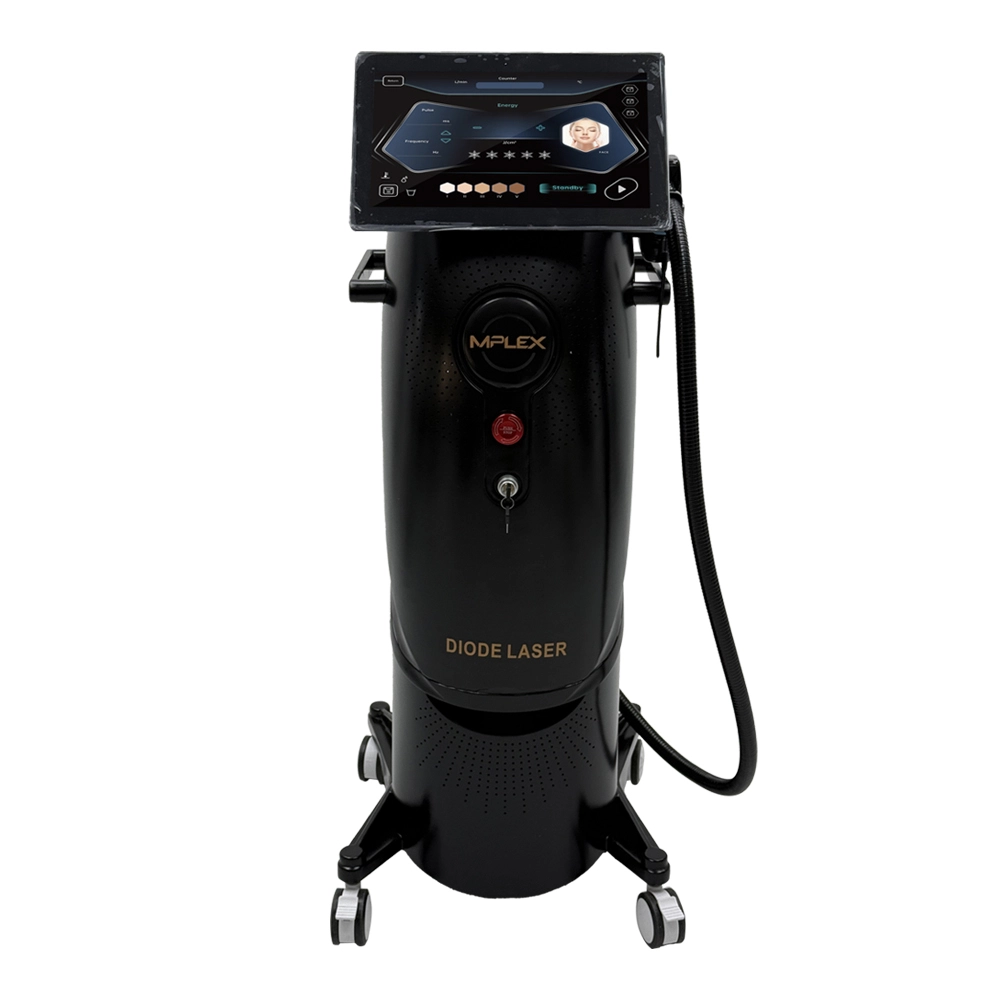
Introducing the Goodway GW-L6, a 1600W Maibes diode laser hair removal machine featuring 808nm medical-grade technology. This advanced diode laser hair removal machine guarantees efficient and precise hair removal, making it a top choice for professional aesthetics. Experience superior results with the trusted Mybeth brand.
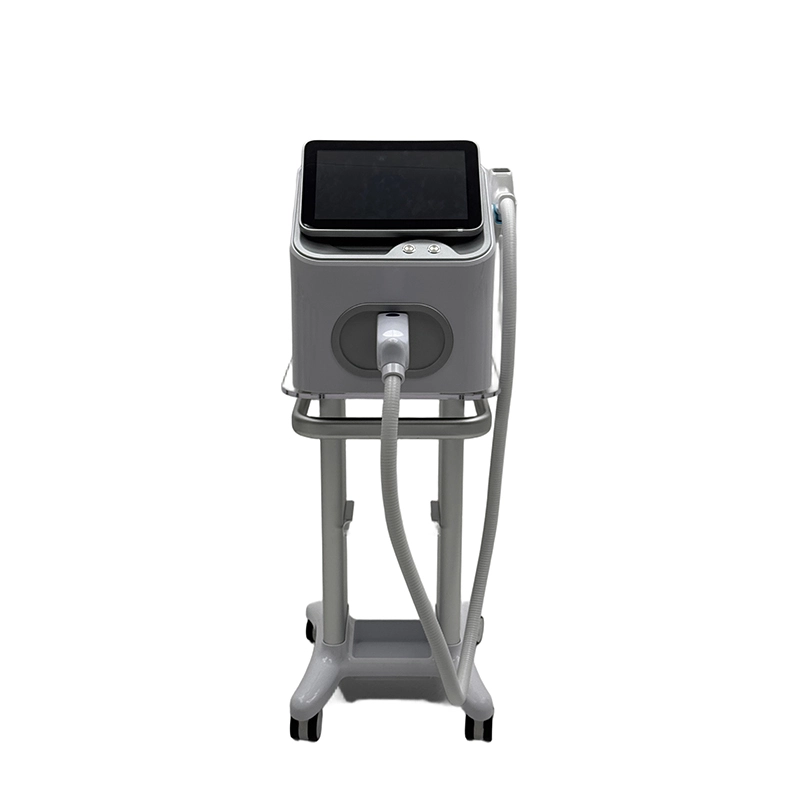
Introducing the Goodway GW-L8 Diode Laser Hair Removal System: designed for fast, effective hair removal for all skin colors. Ideal for salon, clinic, and hospital use, this advanced laser hair removal device ensures precise, safe, and long-lasting results. Experience superior performance with our cutting-edge diode laser technology.
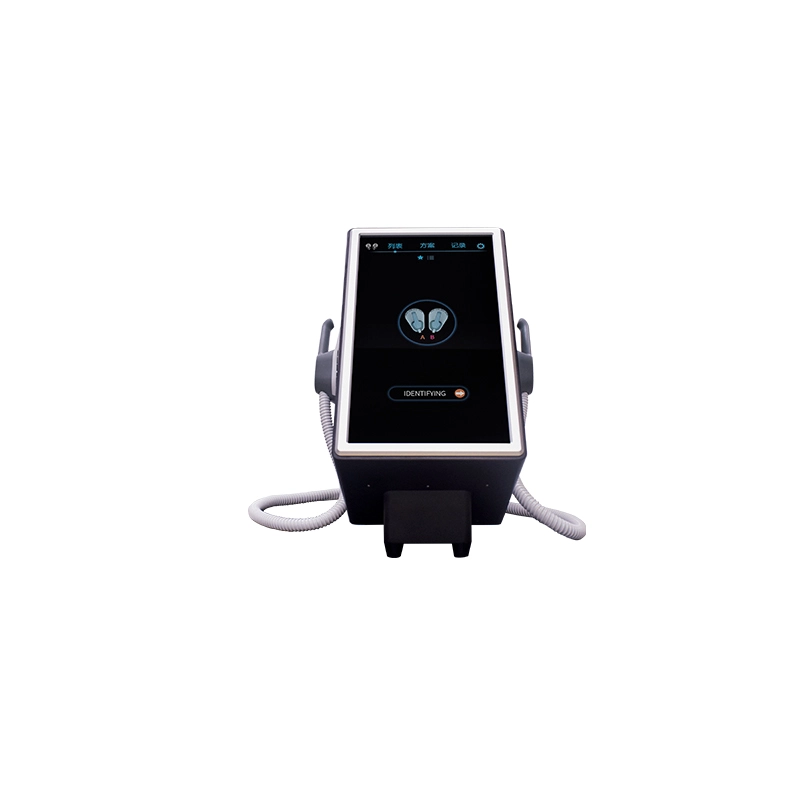
Introducing the Goodway EMS Sculpting Machine, your ultimate solution for body transformation. Harness the power of advanced technology with our EMSculpt muscle stimulator, designed for effective muscle building and slimming. Discover a new you with the ultimate EMS body sculpting experience. Perfect for anyone seeking a streamlined physique.
Contact Goodway
Browse our website. If you have any questions or need advice, please contact us. We will take the time to help you.
Please fill in the form below to send us your questions or comments.
 Scan QR Code
Instagram